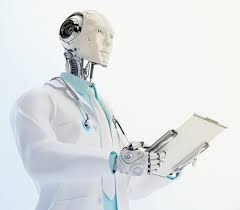
Artificial Intelligence (AI) is no longer just a buzzword; it’s a transformative force reshaping industries across the globe, and healthcare is no exception. Over the last decade, AI has made tremendous strides in medical science, offering new opportunities for improving patient care, enhancing medical research, and optimizing healthcare systems. From diagnostics and personalized medicine to drug development and robotic surgery, AI’s role in the field of medicine is expanding rapidly, and its impact is only expected to grow. Let’s dive into how AI is transforming medical science and what the future holds.
1. AI in Diagnostics: Enhancing Accuracy and Speed
One of the most impactful applications of AI in medicine is in diagnostics. Traditionally, diagnosing diseases relies heavily on the expertise and experience of physicians, often requiring complex tests and long waiting times. AI, particularly in the form of machine learning (ML) and deep learning (DL) algorithms, is helping to streamline and enhance diagnostic processes.
AI can analyze medical images such as X-rays, CT scans, MRIs, and histopathological slides with remarkable accuracy. For example, AI-powered systems can identify patterns in medical images that might be too subtle for the human eye to detect. Studies have shown that AI can outperform radiologists in detecting conditions such as breast cancer, lung cancer, and brain tumors. Tools like Google’s DeepMind have already demonstrated the ability to analyze eye scans to diagnose conditions like diabetic retinopathy and macular degeneration with precision comparable to, or exceeding, that of specialists.
Beyond imaging, AI is also being used in other diagnostic areas, such as genetic testing and predictive modeling. AI can analyze genetic data to identify genetic predispositions to diseases or predict the likelihood of developing certain conditions. It can also assess patient history and other medical data to predict future health risks, enabling early intervention and preventive care.
2. Personalized Medicine: Tailoring Treatment to Individuals
The concept of personalized medicine is based on the idea that medical treatments should be customized to an individual’s unique genetic makeup, environment, and lifestyle. Traditional medicine often uses a one-size-fits-all approach, but AI is enabling the development of more tailored therapies.
AI algorithms are being used to analyze large datasets, including genetic data, medical records, and even lifestyle factors, to predict how different patients might respond to certain treatments. For example, in oncology, AI can help design personalized cancer treatment plans by analyzing the genetic mutations present in a patient’s tumor and identifying targeted therapies that are more likely to be effective.
In pharmacogenomics, AI can analyze genetic information to predict how patients will metabolize certain drugs, ensuring that individuals receive the right drug at the right dose. This minimizes adverse drug reactions and increases treatment efficacy. AI is also playing a key role in developing personalized nutrition plans based on a person’s genetic profile and health data, which can help in managing chronic conditions like diabetes and cardiovascular diseases.
3. AI in Drug Discovery and Development
The process of developing new drugs is long, expensive, and highly uncertain. Traditional drug discovery involves screening thousands of compounds to find potential candidates, which can take years or even decades. AI is accelerating this process by analyzing vast datasets to identify promising drug candidates much faster.
Machine learning models can predict how different molecules might interact with specific proteins or biological pathways, drastically reducing the time and resources needed for drug development. AI is also used to analyze existing drugs to identify potential new uses—repurposing drugs for conditions they weren’t originally designed to treat. For instance, during the COVID-19 pandemic, AI algorithms were used to screen existing drugs for potential efficacy against the virus, accelerating the identification of treatment options.
AI is also helping to optimize the clinical trial process. Traditional trials are often slow and expensive, with many participants being needed to gather sufficient data. AI can simulate clinical trials by using existing data to predict the outcomes of different drug treatments, potentially reducing the number of physical trials required. AI can also help identify suitable candidates for clinical trials, ensuring that trials are more targeted and effective.
4. Robotic Surgery: Enhancing Precision and Minimizing Risk
AI is playing an increasingly important role in robotic surgery, where advanced robots, guided by AI algorithms, assist surgeons in performing highly precise procedures. These AI-driven robotic systems can analyze real-time data during surgery, providing recommendations and even making adjustments to optimize the outcome.
One of the main advantages of robotic surgery is its ability to minimize human error, leading to more consistent and successful procedures. For instance, the da Vinci Surgical System, one of the most widely used robotic surgery platforms, utilizes AI to provide surgeons with enhanced visualization, greater dexterity, and improved control, all while minimizing incisions and reducing recovery times.
AI-driven robotics are also helping with minimally invasive surgeries, allowing for faster recovery, less pain, and fewer complications. Over time, these technologies could make surgery even more precise, leading to better outcomes and fewer complications for patients.
5. AI in Virtual Health Assistants and Chatbots
AI is also transforming patient interactions and providing a new dimension to healthcare delivery through virtual assistants and chatbots. AI-powered platforms like chatbots can handle a variety of tasks, such as scheduling appointments, providing medical information, answering patient queries, and offering mental health support. These virtual assistants are available 24/7, improving accessibility to healthcare services and making it easier for patients to manage their health.
For instance, AI chatbots can assess patient symptoms and provide initial diagnostic suggestions, which can be followed up by a doctor. In the case of mental health, AI-driven chatbots like Woebot are helping people with conditions like depression and anxiety by offering cognitive-behavioral therapy (CBT) techniques and emotional support in real-time.
AI-powered virtual assistants also help healthcare providers by streamlining administrative tasks, such as managing patient records, processing insurance claims, and handling billing inquiries. This reduces the administrative burden on healthcare professionals, allowing them to focus more on direct patient care.
6. Predictive Analytics: Anticipating Health Risks Before They Arise
Predictive analytics powered by AI is transforming the way healthcare professionals approach patient care. By analyzing vast amounts of historical and real-time patient data, AI can predict potential health risks and offer proactive interventions before a serious issue arises.
For example, AI algorithms are being used to predict the onset of conditions like heart disease, diabetes, and sepsis. By monitoring vital signs, lab results, and other patient data, AI can identify early warning signs of deterioration, enabling clinicians to intervene earlier and potentially prevent complications. In some cases, predictive models can even anticipate an acute event, such as a heart attack, giving medical teams the chance to intervene before the situation becomes critical.
AI is also being used to identify potential outbreaks of infectious diseases by analyzing global health data and social media trends, enabling faster responses to public health crises.
7. Ethical and Regulatory Considerations in AI in Medicine
While the benefits of AI in medical science are clear, there are also important ethical and regulatory considerations that must be addressed. Ensuring the privacy and security of patient data is paramount, and AI systems must be transparent and explainable, especially when used in decision-making processes that affect patient care.
Additionally, as AI becomes more integrated into healthcare, ensuring equity and accessibility will be crucial. It’s important that AI-driven solutions are available to all populations, including those in low-income areas or underserved communities. The development of AI tools must be guided by ethical standards that prioritize patient safety, autonomy, and informed consent.
Conclusion: A New Era for Medicine
AI is already changing the face of medicine, and its potential to revolutionize healthcare continues to expand. From improving diagnostics and personalizing treatments to speeding up drug discovery and enhancing surgical precision, AI is enabling medical professionals to deliver better, more efficient care to patients. As we continue to harness the power of AI, we are entering a new era in medical science—one where technology and human expertise work hand-in-hand to create a healthier future for all.
As with any emerging technology, challenges remain, but with proper regulation, transparency, and ethical oversight, AI’s role in medical science will undoubtedly continue to grow, offering transformative solutions to the complex challenges facing healthcare today.