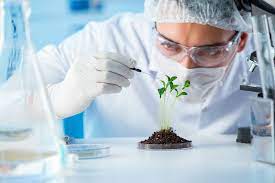
Biotechnology has long been a field that holds great promise for improving human health, the environment, and various industries. From the discovery of penicillin to genetically modified crops, biotechnology has transformed the way we live. But what does the future hold for this ever-evolving field? With rapid advancements in science and technology, biotechnology is poised to revolutionize medicine, agriculture, environmental conservation, and beyond. Let’s take a deeper dive into the key areas where biotechnology is expected to shape our future.
1. Revolutionizing Medicine: Personalized and Precision Healthcare
One of the most exciting frontiers in biotechnology is the advancement of personalized medicine. Personalized medicine tailors medical treatment to an individual’s genetic makeup, lifestyle, and environmental factors. Thanks to breakthroughs in genomics and gene editing technologies, such as CRISPR-Cas9, healthcare is moving toward treatments that are much more precise and effective.
In the future, we can expect a more detailed understanding of individual genetic codes, leading to the development of drugs and therapies that are specifically designed for each person. This will drastically reduce the trial-and-error approach currently used in prescribing medications and minimize side effects. For instance, patients with genetic predispositions to certain conditions (like cancer, diabetes, or heart disease) could receive treatments designed to prevent or manage these conditions before they even manifest.
2. Gene Editing: A New Era of Genetic Modification
The future of biotechnology will likely be dominated by gene editing technologies. Gene editing has already made huge strides in the past decade, and we are just beginning to explore its full potential. The CRISPR-Cas9 gene-editing tool, which allows scientists to make precise changes to the DNA of living organisms, has opened up a world of possibilities in both medicine and agriculture.
In medicine, CRISPR holds the potential to treat genetic disorders such as sickle cell anemia, cystic fibrosis, and muscular dystrophy. By correcting genetic mutations at the root of these diseases, CRISPR could effectively eliminate certain inherited conditions. Beyond disease treatment, gene editing could be used for enhancing human capabilities, potentially even altering traits like intelligence or physical abilities. However, this raises ethical questions about the limits of genetic modifications, which society will need to address as the technology advances.
In agriculture, gene editing could create crops that are more resilient to climate change, pests, and diseases. It could also lead to more sustainable farming practices by developing plants that require less water or fertilizer. This has the potential to drastically improve food security in areas where resources are limited.
3. Synthetic Biology: Designing Life from Scratch
Synthetic biology is another exciting area of biotechnology that is gaining momentum. This field combines biology and engineering to design and construct new biological parts, systems, and organisms that do not exist in nature. Think of it as building life from the ground up.
In the future, synthetic biology could enable the creation of organisms specifically designed to solve global challenges. For example, scientists are already exploring the possibility of engineering bacteria to break down plastic waste, producing biofuels, or even designing microorganisms that can capture and convert carbon dioxide, helping to fight climate change.
Synthetic biology also holds promise in the field of biomanufacturing, where engineered organisms could be used to produce everything from pharmaceuticals and biofuels to food and materials. By harnessing the power of nature and engineering it to meet our needs, synthetic biology could significantly impact many industries and help create a more sustainable future.
4. Agricultural Biotechnology: Feeding a Growing Population
As the global population continues to grow, food security will become an increasingly critical issue. Agricultural biotechnology will play a key role in addressing this challenge. In the future, we can expect even greater innovations in genetically modified (GM) crops, which can increase yields, reduce the need for pesticides, and even be tailored to thrive in changing environmental conditions.
In addition to genetic modification, the future of agriculture may also see advancements in vertical farming and lab-grown meat. Vertical farming involves growing crops in stacked layers, often in urban environments, which reduces the land and water needed for traditional farming. Lab-grown meat, on the other hand, could provide an ethical and sustainable alternative to traditional animal farming by growing meat in bioreactors instead of raising livestock.
Moreover, precision agriculture will become more widespread, using biotechnology tools and sensors to monitor and optimize crop growth, minimizing waste and improving efficiency. This shift toward more sustainable and efficient agricultural practices could be critical for feeding the billions of people expected to inhabit the Earth in the coming decades.
5. Biotechnology and Environmental Sustainability
As concerns over climate change and environmental degradation continue to rise, biotechnology will play a crucial role in developing solutions to mitigate these issues. One of the most promising areas of environmental biotechnology is the development of microbes and plants that can clean up pollutants.
For example, scientists are working on genetically modified organisms (GMOs) that can absorb heavy metals or break down toxic chemicals in contaminated soils and water. Additionally, biotechnology could be used to engineer algae or plants that capture more carbon dioxide from the atmosphere, contributing to efforts to reduce global warming.
Another exciting possibility is the development of biodegradable materials. Current synthetic plastics are a major environmental problem, but biotech researchers are exploring the creation of materials derived from plants or microorganisms that can decompose naturally, reducing the burden on our ecosystems.
6. Regenerative Medicine: Healing Through Stem Cells and Tissue Engineering
The field of regenerative medicine is set to revolutionize healthcare by enabling the body to repair itself. Stem cell therapy and tissue engineering are at the forefront of this movement, offering the potential to regenerate damaged tissues or even organs.
In the future, it may be possible to grow replacement organs in the lab, using a patient’s own cells to avoid rejection and eliminate the need for organ donations. Stem cells could also be used to treat injuries or degenerative diseases by regenerating damaged tissues, such as spinal cord injuries or heart disease. These advancements could dramatically extend human lifespans and improve the quality of life for people with chronic conditions.
7. Ethical and Social Implications
While the future of biotechnology holds immense potential, it also raises significant ethical and social concerns. As technologies like gene editing and synthetic biology advance, society will need to grapple with questions about safety, equity, and regulation. How do we ensure that these technologies are used responsibly and that their benefits are accessible to all, not just the privileged few?
There will also be debates about the morality of genetic modifications, particularly in humans, and the environmental impact of genetically engineered organisms. As biotechnology continues to progress, ongoing conversations and ethical frameworks will be essential in guiding the responsible use of these powerful tools.
Conclusion: A Bright Future, With Caution
The future of biotechnology is incredibly exciting, offering transformative possibilities for healthcare, agriculture, the environment, and many other sectors. From personalized medicine and gene editing to sustainable agriculture and environmental cleanup, the potential for biotechnology to improve our lives is vast. However, with great power comes great responsibility. As we unlock new biological capabilities, we must ensure that ethical considerations, public safety, and social equity are central to the development of these technologies. If done right, biotechnology could be one of the key drivers in creating a healthier, more sustainable, and equitable future for all.