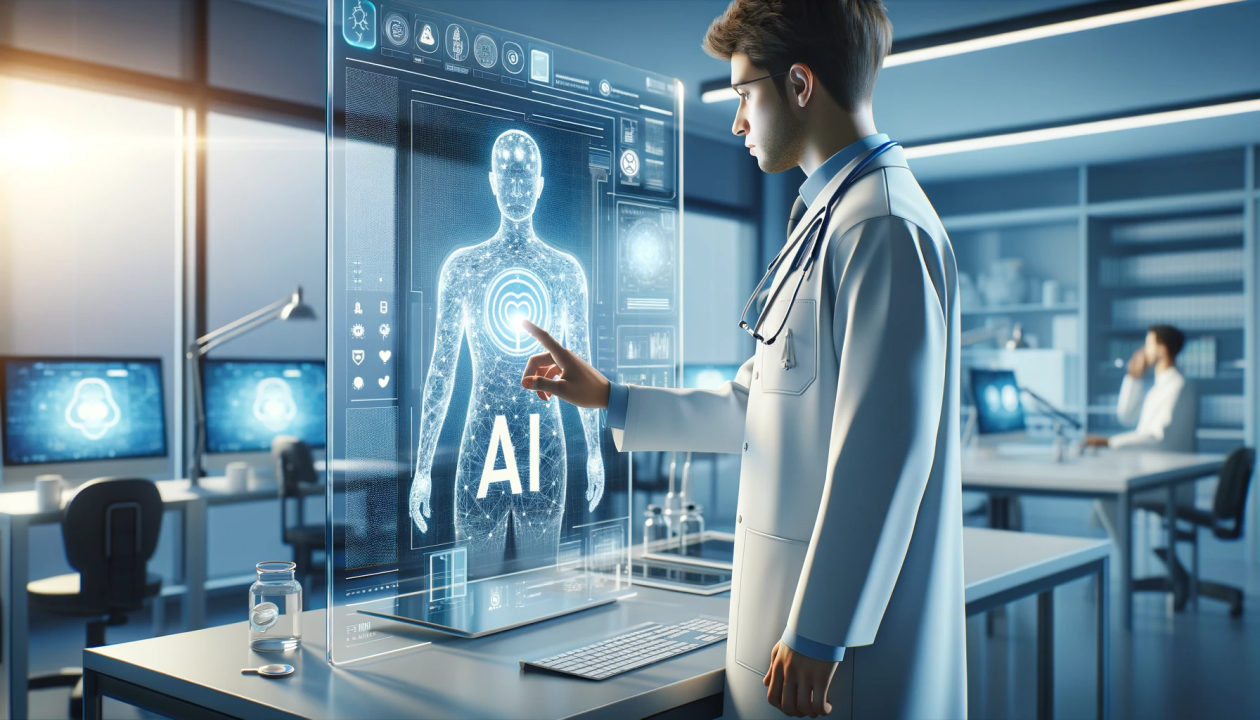
Artificial Intelligence (AI) is no longer a futuristic concept seen in science fiction—it’s already an integral part of our daily lives, and its influence is only set to grow. From voice assistants and personalized recommendations to self-driving cars and smart homes, AI has begun to shape many aspects of the way we live and work. But what will life look like in the future as AI continues to evolve and play an even greater role in society? Let’s explore how AI could radically transform our lives in the coming years.
1. Work and Automation: A Shift in the Job Market
One of the most significant impacts of AI will be on the world of work. Many jobs, particularly those that involve repetitive tasks or routine decision-making, are at risk of being automated. Robots and AI-driven systems are already being used in manufacturing, logistics, and customer service to perform tasks faster and more efficiently than humans.
In the future, industries like transportation, retail, and healthcare will experience even more automation. Self-driving trucks could replace human drivers, while AI-powered algorithms may assist doctors in diagnosing diseases or performing surgeries. Although AI will undoubtedly eliminate some jobs, it will also create new opportunities, especially in fields related to AI development, maintenance, and ethical oversight. The AI revolution will likely lead to a shift toward more creative, strategic, and human-centric jobs, where empathy, problem-solving, and emotional intelligence will be highly valued.
Additionally, AI will help people work more efficiently by automating mundane tasks. Virtual assistants will schedule meetings, sort emails, and even help manage personal tasks, allowing humans to focus on more complex and rewarding aspects of their work. The advent of AI-powered collaboration tools will also revolutionize teamwork, with intelligent systems helping to manage projects, distribute tasks, and track progress.
2. Healthcare: Smarter, Faster, and More Personalized Care
AI is poised to revolutionize the healthcare industry, not only improving patient care but also making healthcare more efficient and accessible. In the future, AI-powered diagnostics will be commonplace, with algorithms analyzing medical data, images, and patient histories to detect diseases faster and more accurately than human doctors. AI will help identify potential health risks early, allowing for timely interventions and personalized treatments tailored to individual genetic profiles.
The rise of predictive analytics will allow healthcare providers to anticipate and prevent diseases before they occur. For instance, AI could help predict the likelihood of a person developing conditions like heart disease, cancer, or diabetes, allowing doctors to intervene earlier and recommend lifestyle changes or preventative measures.
Furthermore, robotic surgery and remote healthcare will become more widespread, making procedures less invasive and recovery times shorter. AI-powered telemedicine platforms will enable doctors to diagnose and treat patients virtually, making healthcare more accessible to remote or underserved populations.
Personalized medicine will also take center stage, as AI can analyze genetic data to identify treatments that are more likely to work for individual patients, reducing the trial-and-error approach often associated with traditional medicine.
3. Transportation: A New Era of Mobility
In the future, transportation will be safer, more efficient, and more environmentally friendly, thanks to AI. Self-driving cars are one of the most exciting developments, and as this technology matures, it will change the way we think about commuting and personal transport. AI systems will control autonomous vehicles, reducing human error and traffic accidents. With cars that can communicate with each other and with traffic infrastructure, we can expect smarter traffic management, leading to reduced congestion and shorter travel times.
AI will also revolutionize public transportation. Smart transit systems will use real-time data to optimize routes and schedules, ensuring faster and more reliable journeys. AI could also help design more sustainable transportation options, such as electric vehicles and hyperloop systems, which could significantly reduce our carbon footprint.
For those who need assistance getting around, AI-powered mobility solutions could cater to people with disabilities or the elderly, providing an entirely new way of accessing public transport or private vehicles. In the future, personal transportation might no longer be limited to ownership of a vehicle. Shared mobility services, powered by AI, could become more widespread, allowing people to easily rent vehicles for short-term use.
4. Education: AI as a Personalized Learning Companion
AI will drastically change the education system, making learning more personalized and accessible to everyone. In the future, AI tutors will assist students by adapting lessons to their individual learning styles, pacing, and interests. Whether through interactive apps or virtual classrooms, AI will provide personalized feedback and ensure that students receive the support they need to excel.
AI could help bridge educational gaps, providing resources to people in remote or underserved areas. Language barriers will be minimized by real-time translation tools, enabling students from different parts of the world to access high-quality education and collaborate with peers globally.
Furthermore, AI-powered tools will streamline administrative tasks for educators, such as grading, tracking student progress, and scheduling. This will give teachers more time to focus on interactive learning, mentorship, and fostering creativity among students.
5. Smart Homes and Everyday Life: The Age of Convenience
As AI continues to advance, smart homes will become even smarter and more intuitive. AI-powered systems will learn from our habits and preferences, anticipating our needs and making daily tasks more convenient. Imagine a home that adjusts the lighting, temperature, and even the music based on your mood or daily routines, or a refrigerator that monitors your food inventory and automatically orders groceries when supplies run low.
Virtual assistants like Amazon’s Alexa, Apple’s Siri, and Google Assistant will become more integrated into our lives, helping with everything from shopping and cooking to entertainment and security. AI-powered devices will monitor our health by tracking vital signs, sleep patterns, and exercise routines, offering real-time feedback and suggesting ways to improve well-being.
In addition, AI in retail will revolutionize shopping experiences. Stores will use AI to analyze consumer behavior, offering personalized product recommendations and optimizing inventory. With AI-driven logistics, products will be delivered faster and more efficiently, sometimes with the help of autonomous drones or vehicles.
6. AI in Entertainment: Personalized and Immersive Experiences
In the entertainment sector, AI will offer more personalized and immersive experiences. Streaming platforms like Netflix and Spotify are already using AI to recommend content based on viewing or listening habits, but in the future, AI could go even further—curating entire playlists, movie schedules, or even interactive experiences tailored to each user’s mood and preferences.
AI will also revolutionize video games, creating dynamic, ever-evolving worlds where the actions of players influence the storyline in real time. In film and television, AI could help create hyper-realistic virtual actors, special effects, and even scripts, allowing for entirely new forms of storytelling and creativity.
Moreover, AI-powered virtual reality (VR) and augmented reality (AR) technologies will enhance entertainment experiences, blurring the lines between the real and digital worlds. Imagine attending a concert virtually, exploring an alien planet, or even walking through historical events—all with AI-enhanced environments.
7. Ethics and Privacy: Balancing AI Innovation with Human Values
As AI continues to infiltrate various aspects of our lives, we’ll face critical ethical and privacy challenges. Questions around data ownership, surveillance, and the potential for AI to reinforce biases will need to be addressed. Ensuring transparency, accountability, and fairness in AI systems will be essential to making sure that technology serves humanity without infringing on personal freedoms.
AI developers will need to create systems that are aligned with human values, ensuring that ethical considerations are built into the design of AI applications. In addition, regulatory bodies will likely be tasked with overseeing AI implementation and ensuring that its benefits are distributed equitably across society.
Conclusion: Embracing the AI Revolution
The future with AI promises to be a period of tremendous change—one where our daily lives, work, and interactions with technology will be transformed in ways we can barely imagine today. While the potential benefits of AI are vast, it’s important that we navigate this technological revolution responsibly. As we look to the future, we must balance innovation with ethical considerations, ensuring that AI enhances our lives and addresses the challenges we face, rather than exacerbating existing inequalities.
In the end, AI isn’t just about machines taking over tasks; it’s about enhancing our human capabilities and helping us live smarter, healthier, and more connected lives. The possibilities are endless, and the journey has only just begun.