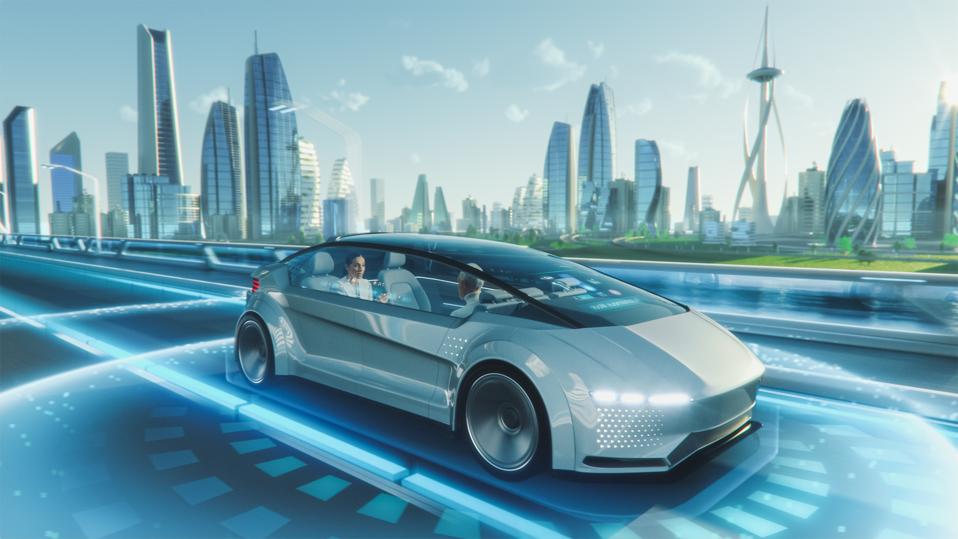
The automotive industry is undergoing a transformative shift, with the future of vehicles set to be defined by cutting-edge technology, sustainability, and enhanced user experience. While the cars we drive today are far more advanced than those of the past, the vehicles of tomorrow will bring even greater innovation, fundamentally changing the way we think about transportation. From autonomous driving to electric powertrains, the future of vehicles is looking incredibly exciting. Let’s take a closer look at the key trends shaping the future of transportation.
1. Electric Vehicles (EVs): The Shift Toward Sustainability
The global push for sustainability and the fight against climate change are driving the adoption of electric vehicles (EVs). As concerns over greenhouse gas emissions grow, traditional internal combustion engine vehicles are increasingly being replaced by EVs, which produce zero tailpipe emissions.
In the near future, we can expect EVs to become the dominant form of transportation. Advances in battery technology are already improving the range, charging time, and affordability of electric cars. The development of ultra-fast charging stations and widespread charging infrastructure will make EVs more convenient and practical for everyday use. Additionally, as governments around the world continue to implement stricter emissions regulations, automakers will be incentivized to produce cleaner vehicles.
As more consumers make the switch to EVs, the environmental benefits are clear: reduced carbon footprints, improved air quality in cities, and decreased dependence on fossil fuels. In the long term, we may even see the integration of renewable energy sources for charging, further reducing the environmental impact of transportation.
2. Autonomous Vehicles: The Rise of Self-Driving Cars
Perhaps one of the most talked-about trends in the automotive world is the advent of autonomous vehicles. With self-driving technology advancing rapidly, we’re approaching a future where vehicles can navigate and make decisions without human input. Companies like Tesla, Waymo, and Cruise are already testing autonomous cars on public roads, and in the coming years, we’ll see these vehicles become more widespread.
The benefits of autonomous vehicles are numerous. Safety is a top priority, as autonomous cars have the potential to drastically reduce accidents caused by human error. According to the National Highway Traffic Safety Administration (NHTSA), more than 90% of traffic accidents are due to human mistakes. With AI-powered systems that can analyze data from sensors, cameras, and LiDAR, autonomous cars could be far less prone to making these errors.
Autonomous vehicles could also enhance mobility for people with disabilities, the elderly, and those unable to drive. In addition, self-driving cars could lead to more efficient traffic management and reduce congestion, as AI can optimize driving patterns and communicate with other vehicles in real-time.
However, the widespread adoption of self-driving cars will require addressing several challenges, such as regulatory hurdles, cybersecurity concerns, and ensuring that the technology is accessible to everyone. Nevertheless, autonomous vehicles are poised to reshape the entire transportation landscape.
3. Shared Mobility: The Shift From Ownership to Access
While owning a car has long been a symbol of freedom and independence, the future of vehicles may involve a significant shift toward shared mobility. Instead of everyone owning their own car, transportation could become more about access rather than ownership.
Car-sharing platforms like Uber, Lyft, and Zipcar are already changing how we think about getting from one place to another. The rise of autonomous vehicles could further fuel this trend, as self-driving cars could be rented on-demand, allowing users to summon a vehicle whenever they need it, without worrying about maintenance, insurance, or parking.
Shared mobility systems could reduce the number of cars on the road, helping alleviate traffic congestion and lowering emissions. In densely populated urban areas, this could result in less need for parking spaces, freeing up valuable land for other uses, such as green spaces or residential buildings.
The future of transportation might involve seamless integration between different modes of mobility. For instance, you could use a smartphone app to book an autonomous taxi, ride a shared electric scooter to the nearest public transit station, and use an electric bike for the final stretch of your journey.
4. Smart Vehicles: Integration with IoT and AI
The future of vehicles will not just be about electric or autonomous driving; it will also be about smart technologies that enhance the driving experience. Internet of Things (IoT) and artificial intelligence (AI) will revolutionize how vehicles communicate with each other, with infrastructure, and with drivers.
Smart vehicles will be equipped with a network of sensors, cameras, and data processing systems that allow them to interact in real-time with their environment. For example, vehicles could automatically adjust their speed or route based on traffic conditions, weather, or roadwork.
The integration of AI could lead to vehicles that learn from their environment and adapt to the driver’s preferences, providing a highly personalized experience. For instance, a vehicle might automatically adjust the cabin temperature, entertainment options, and driving mode based on the driver’s past behavior.
Additionally, vehicle-to-everything (V2X) communication will enable cars to interact with other vehicles, traffic signals, and even pedestrians. This level of connectivity will help optimize traffic flow, improve safety, and make driving more efficient.
5. Sustainable Materials and Green Manufacturing
As the automotive industry shifts toward more sustainable practices, manufacturers will increasingly focus on using eco-friendly materials in vehicle construction. Lightweight materials like carbon fiber, aluminum, and even recycled plastics will replace traditional materials, improving fuel efficiency and reducing a vehicle’s environmental footprint.
The process of vehicle manufacturing itself will also become more sustainable. Companies are exploring ways to reduce the energy used in production and decrease waste. For example, some automakers are using renewable energy to power their manufacturing plants or implementing closed-loop recycling systems.
In addition, future vehicles may include solar panels integrated into their design, allowing them to generate renewable energy and improve efficiency. While this technology is still in its early stages, it holds great promise for supplementing vehicle power systems and further reducing reliance on fossil fuels.
6. Mobility as a Service (MaaS): A Seamless Travel Experience
The concept of Mobility as a Service (MaaS) is gaining traction, where transportation services are bundled together to offer a seamless travel experience. MaaS integrates different modes of transportation—such as public transit, taxis, car rentals, and bicycles—into a single platform that users can access via a mobile app.
In the future, MaaS could allow users to plan their entire journey from start to finish, choosing the most efficient and cost-effective combination of transportation modes. For example, you might use a ride-sharing service to take you to a bus station, hop on a train, and then use an electric scooter to get to your final destination, all paid for through a single app.
This shift toward MaaS could reduce the reliance on private car ownership, reduce congestion, and make transportation more accessible for everyone.
Conclusion: A Thrilling Ride Into the Future
The future of vehicles is filled with promise. As we move towards more sustainable, intelligent, and connected transportation systems, we can expect cars and other vehicles to become more efficient, safer, and easier to use. Whether it’s through electric vehicles, autonomous driving, or shared mobility, the way we get from point A to point B is set to change in profound ways.
While challenges remain—ranging from regulatory issues to infrastructure development—the future of vehicles looks incredibly exciting. As technology continues to advance, we’re on the brink of a transportation revolution that could fundamentally reshape our cities, our lifestyles, and the world itself. The road ahead is full of possibilities, and it’s one we can’t wait to travel.